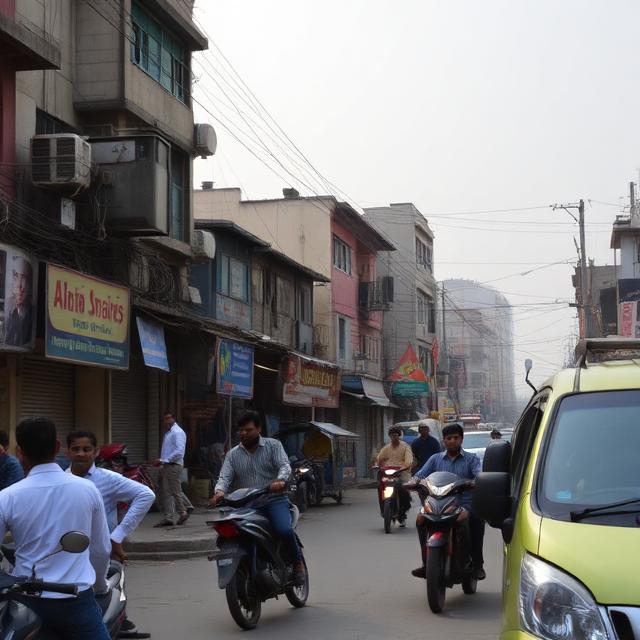
The Social Architecture : Why Cities Must Breathe Beyond Concrete
The global conversation around urban growth has moved beyond the “Smart City” hype of the previous decade. As India navigates its Union Budget 2026–27, the focus has matured into a

The global conversation around urban growth has moved beyond the “Smart City” hype of the previous decade. As India navigates its Union Budget 2026–27, the focus has matured into a
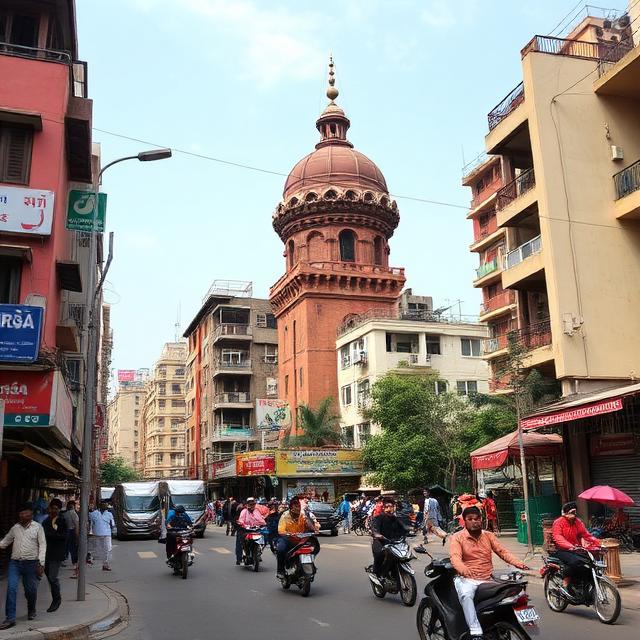
The digital divide in India has morphed. It is no longer just about who has a signal; it is about who has the agency to use it. While 5G penetration
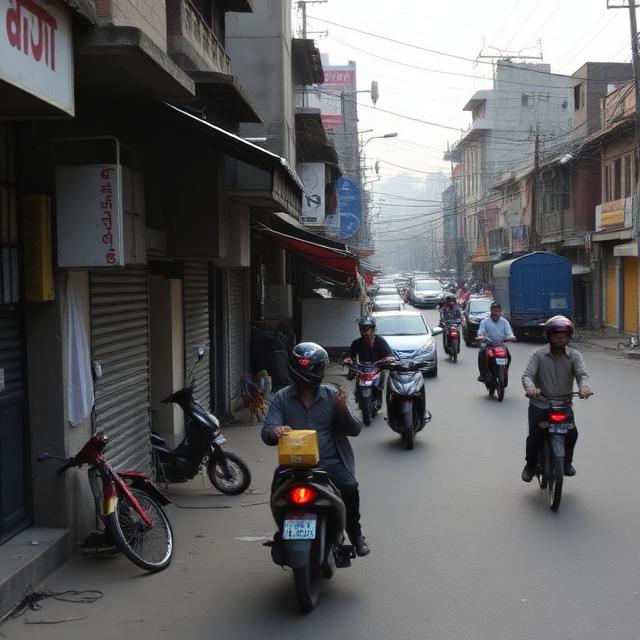
The conversation around Indian urbanization has shifted. We have spent the last decade obsessed with “hard infrastructure”—the flyovers, the metro pillars, and the high-speed rail. But as the Union Budget
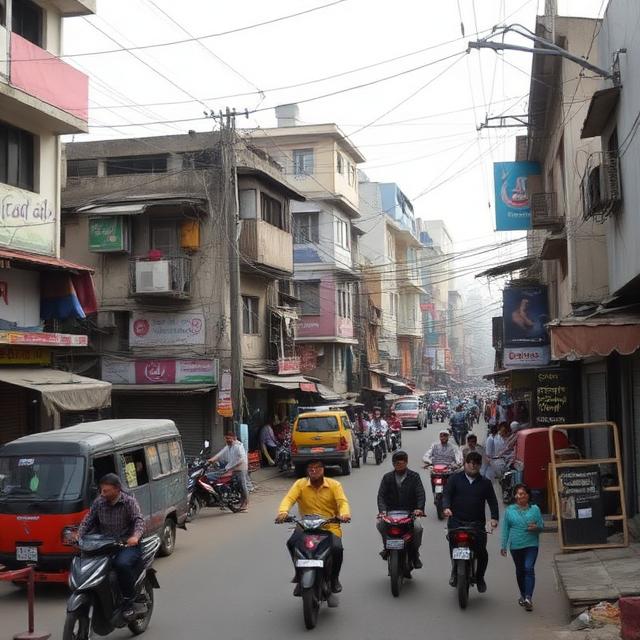
The conversation around Indian urbanization has shifted. We have spent the last decade obsessed with “hard infrastructure”—the flyovers, the metro pillars, and the high-speed rail. But as the Union Budget
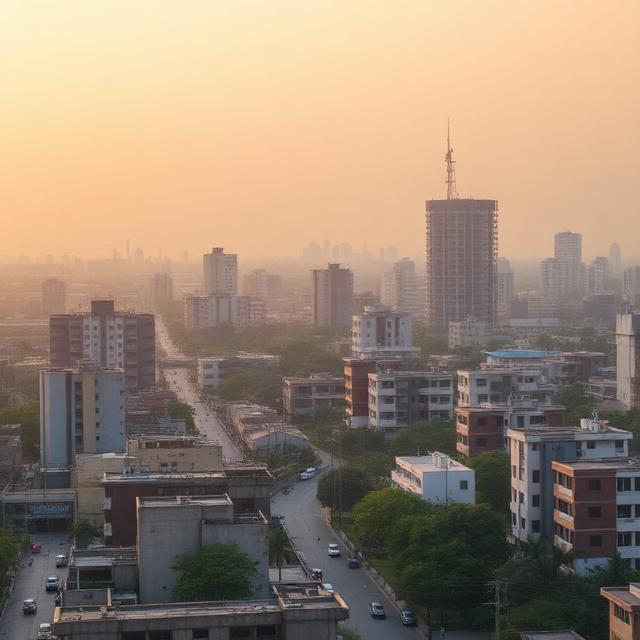
The global conversation around urban growth has undergone a quiet but profound transformation. In India, the Union Budget 2026-27—with its massive ₹12.2 lakh crore infrastructure outlay—marks a decisive pivot. We
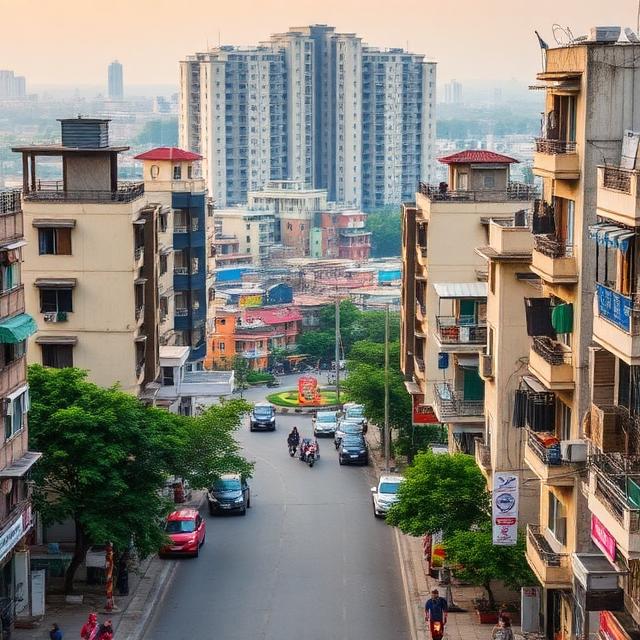
In an era defined by rapid urbanization, we often measure the success of cities by the height of their skyscrapers and the complexity of their highway networks. However, as the
The skyline of the typical Indian city is a study in vertical inequality. For every glass-walled skyscraper housing a global tech hub, there is a shadow cast over a sprawling
India stands at a critical juncture. For decades, our urban growth has been defined by the “flyover-first” philosophy—a model that prioritized rapid vehicular movement and massive concrete expansion. But as
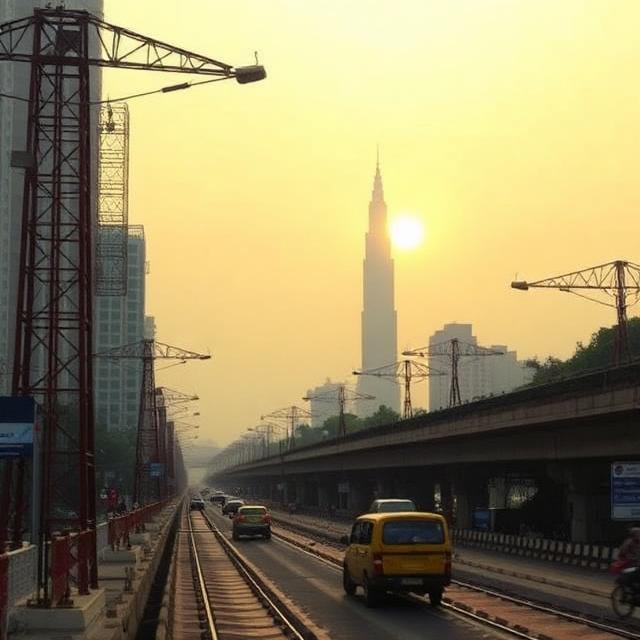
In February 2026, the blueprint for India’s urban landscape is undergoing a radical “re-coding.” While the rhetoric of Viksit Bharat (Developed India) remains bold, the recent Union Budget 2026-27 and