
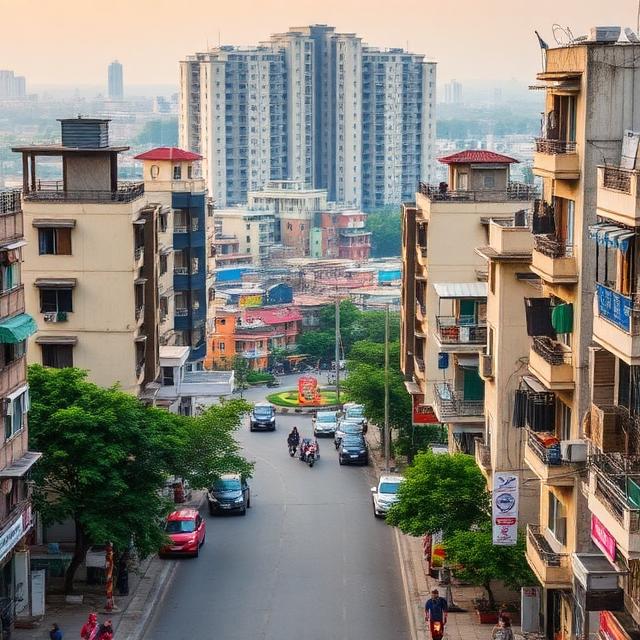
In an era defined by rapid urbanization, we often measure the success of cities by the height of their skyscrapers and the complexity of their highway networks. However, as the world moves toward 2030, a critical shift is occurring: a realization that cities are not just collections of concrete and steel, but living ecosystems where human well-being must be the primary metric of success.
The Human-Centric Shift: Why It Matters Now
Modern urban infrastructure is at a crossroads. Traditionally, planning prioritized vehicle flow and economic density, often at the expense of social cohesion and mental health. Today, urban residents face a 40% higher risk of depression and a 20% higher risk of anxiety compared to rural dwellers, largely due to “city life syndromes” like loneliness, noise pollution, and lack of green space. A human-centric approach flips the script, placing the “life” of the city—its people—before the buildings.
Core Principles of Human-Centric Infrastructure
1. The 15-Minute City (Chrono-urbanism)
The concept of the 15-minute city aims to ensure that every resident can access their daily needs—work, groceries, healthcare, and education—within a 15-minute walk or bike ride from their home. Paris has become a global leader in this movement, while Singapore has proposed a “20-minute towns” and “45-minute city” master plan for 2040.
2. Biophilic Design and Blue-Green Infrastructure
Integrating nature into the urban fabric is no longer an “amenity”; it is essential for climate resilience and mental health. Green spaces reduce the Urban Heat Island effect, manage stormwater, and provide “attention restoration,” allowing the brain to recover from cognitive fatigue. Leading projects like The High Line in New York City and One Central Park in Sydney show how vertical gardens and repurposed infrastructure can reconnect humans with nature.
3. Active Mobility and Car-Free Zones
Prioritizing pedestrians over automobiles reduces air pollution and encourages physical activity. By closing interior streets to through-traffic, Barcelona’s Superblocks have created “living streets” where children can play safely and noise levels have plummeted. Similarly, Vauban, Germany, is largely car-free, with 70% of the population living without a personal vehicle.
4. Universal Accessibility and Inclusivity
Truly human-centric cities are designed for everyone—including senior citizens, children, and people with disabilities. Luxembourg City follows a “design for all” approach with free-of-charge public transport and specialized wayfinding for the visually impaired.
The Economic Case for People-First Design
Human-centric cities are not just “nicer”; they are more economically resilient. Projects like Millennium Park in Chicago have spurred massive private investment and tourism. Furthermore, natural light in workplaces and reduced commute stress significantly boost worker happiness and output. Investing in green infrastructure also prevents billions in damage from urban flash floods and heatwaves.
Frequently Asked Questions (FAQs)
- What is human-centric urban design? It is a planning philosophy that prioritizes the health, safety, and social well-being of residents over cars and purely industrial efficiency.
- How does urban design affect mental health? Poor design leads to social isolation, sleep deprivation from noise, and high cortisol levels from stressful commutes. Good design provides green spaces and “pro-social” areas that foster community.
- What is “Blue-Green Infrastructure”? It refers to a network of natural and semi-natural areas (like parks/green and ponds/blue) designed to deliver environmental and social benefits.
- Are car-free cities realistic for large populations? Yes. Cities like Venice function entirely without cars, and metropolises like Bogotá use programs like Ciclovía to reclaim miles of road for pedestrians weekly.
- How can existing cities become human-centric? Through “tactical urbanism”—small-scale, low-cost interventions like widening sidewalks, adding street trees, and converting parking spots into “parklets”.
- Does human-centric design cost more? While initial investments in green tech or public transit can be high, they reduce long-term costs associated with healthcare, climate disasters, and traffic congestion.
- How does technology fit into a human-centric city? Technology should be a tool for people—for example, using AI to optimize bus routes or providing real-time accessibility data for disabled residents.
- What is the “1-minute city”? Pioneered in Sweden, this model focuses on the space immediately outside one’s front door, encouraging neighbors to co-design their own blocks.
- Why is universal accessibility important? As urban populations age, cities must be navigable for those with mobility issues to prevent social exclusion and economic stagnation.
- Can I participate in my city’s planning? Most modern cities now use community engagement platforms and participatory budgeting to let residents help decide where parks or bike lanes should go.